We use cookies and other technologies to enable core functionality on our website and to provide you with a personalized experience. For more information on cookies and how to manage your settings, visit our updated privacy policy. Read more

Whatever It Takes Documentary

Jan 29, 2020

On Friday, January 23rd, the documentary, “What Ever Takes”, aired for the first time highlighting the rehabilitation journey of the Edmonton Oilers own Connor McDavid.
 
wit1.png
 
In a short summary, Connor experienced a season-ending knee injury in April 6th, 2019, which, if managed with surgery would’ve required a 10-month rehabilitation prognosis and missing most of the following season. After seeking multiple opinions, Connor decided not to perform the surgery and carried through an intensive rehabilitation program, allowing him to play in the start of following season, just 7-months later!
 
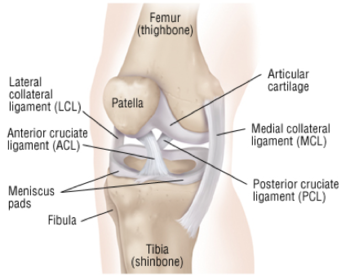
The final injury report included a fully torn posterior cruciate ligament, torn medial and lateral menisci, fully torn the popliteus muscle, torn posterior capsule and a tibial plateau fracture (Figure 1)
 
wit2.png
 

The 2 main takebacks from the documentary are: 1) rehab isn’t easy but can have several benefits and 2) knee surgery isn’t always necessary to get back to sport.

Connor McDavid, who is widely considered to be the best hockey player in the world, expresses his stress and frustrations throughout the documentary explaining the lengthy and tedious process of exercising up to 10 hours a day, seven days a week at certain points in his journey. These emotions are commonly experienced by athletes and non-athletes alike and can be the most challenging part of rehab. Physically, our bodies are very good at adapting to new stressors. With time and effort, our muscles, bones, ligaments, etc. can become stronger and withstand the demands of daily life and sport. What has recently become much more apparent and poses an even greater challenge is overcoming psychological barriers. A recent systematic review and meta-analysis showed only 53% of people who undergo an anterior cruciate ligament (ACL) reconstructive surgery return to their previous level of sport (1). In this study, the 2 greatest factors limiting the return to competitive sport was older age and fear of re-injury. Good knee function and quadricep strength are also predictors of returning to sport (2, 3), but many people overlook the psychological toughness required to endure a long rehab journey.

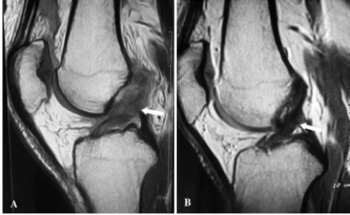
This documentary also highlights that it is possible to manage a knee ligament injury without surgery. There is emerging evidence that both ACL and PCL injuries can be managed without surgery and allow for people to return to their pre-injury level of sport (4, 5). This is due to many factors, one of the major reasons being that there are cases where a torn ligament has the potential to spontaneously heal, just like in Connors case. Multiple magnetic resonance imaging (MRI) studies have demonstrated that partially and fully torn ACL’s can reattach with time and conservative (non-surgical) care (5, 6) (Figure 2).
wit3.png

This is in no way undermining the importance of surgery! Conservative management can be very effective, but surgery can often be indicated when considering several factors like age, extent of the injury, social support networks, resources, goals and so on. For example, Connor McDavid had a very serious injury, most of whom would’ve elected for surgery if they experienced the same one. He also had the benefit of virtually unlimited resources, access to state-of-the-art recovery technology and a superhero-like rehab team to help him get to where he is now. The pathway chosen should be a decision made between the injured person and their healthcare practitioner when considering their goals and what it best for them.

Regardless of which pathway you choose, some form of rehab is always beneficial to a person’s function. Whether or not surgery is warranted, a well-designed rehab program should always be implemented prior to returning to sport to improve your physical function and prevent re-injury. At least 5-weeks of rehab after and ACL injury but before surgery (aka “prehab”) has shown to improve knee function 2-years later compared to those who didn’t do any pre-hab (7, 8). And when comparing people who have injured their ACL’s, a great rehab program resulted in similar knee function regardless of whether or not surgery was done (9).

In summary, 1) rehab can be very challenging and requires you not only to work hard at your exercise program, but to be considerate of you mental well-being throughout the process. 2) Surgery isn’t always necessary, do what’s best for you and your goals. 3) Having a strong social support system and a healthcare practitioner (like a physio ????), that has your best interest in mind it a great place to start! To book in for an appointment, call 780-458-8505.


References

1)     Ross, C. A., Clifford, A., & Louw, Q. A. (2017). Factors informing fear of reinjury after anterior cruciate ligament reconstruction. Physiotherapy theory and practice33(2), 103-114.

2)     Buckthorpe, M., La Rosa, G., & Della Villa, F. (2019). Restoring knee extensor strength after anterior cruciate ligament reconstruction: a clinical commentary. International journal of sports physical therapy14(1), 159.

3)     Herrington, L., Ghulam, H., & Comfort, P. (2018). Quadriceps Strength and Functional Performance After Anterior Cruciate Ligament Reconstruction in Professional Soccer players at Time of Return to Sport. Journal of strength and conditioning research.

4)     Agolley, D., Gabr, A., Benjamin-Laing, H., & Haddad, F. S. (2017). Successful return to sports in athletes following non-operative management of acute isolated posterior cruciate ligament injuries: medium-term follow-up. The bone & joint journal99(6), 774-778

5)     Madelaine, A., Fournier, G., Sappey-Marinier, E., Madelaine, T., Seil, R., Lefevre, N., ... & Society, F. A. (2018). Conservative management of anterior cruciate ligament injury in paediatric population: about 53 patients. Orthopaedics & Traumatology: Surgery & Research104(8), S169-S173.Ihara, H., & Kawano, T. (2017). Influence of age on healing capacity of acute tears of the anterior cruciate ligament based on magnetic resonance imaging assessment. Journal of computer assisted tomography41(2), 206.

6)     Costa-Paz, M., Ayerza, M. A., Tanoira, I., Astoul, J., & Muscolo, D. L. (2012). Spontaneous healing in complete ACL ruptures: a clinical and MRI study. Clinical Orthopaedics and Related Research®470(4), 979-985.

7)     Eitzen, I., Moksnes, H., Snyder-Mackler, L., & Risberg, M. A. (2010). A progressive 5-week exercise therapy program leads to significant improvement in knee function early after anterior cruciate ligament injury. journal of orthopaedic & sports physical therapy40(11), 705-721.

8)     Failla, M. J., Logerstedt, D. S., Grindem, H., Axe, M. J., Risberg, M. A., Engebretsen, L., ... & Snyder-Mackler, L. (2016). Does extended preoperative rehabilitation influence outcomes 2 years after ACL reconstruction? A comparative effectiveness study between the MOON and Delaware-Oslo ACL cohorts. The American journal of sports medicine44(10), 2608-2614.

9)     Wellsandt, E., Failla, M. J., Axe, M. J., & Snyder-Mackler, L. (2018). Does anterior cruciate ligament reconstruction improve functional and radiographic outcomes over nonoperative management 5 Years after injury?. The American journal of sports medicine46(9), 2103-2112.


Please add your bio info through your member profile page, or through your dashboard.


Posted By


Tag Cloud

ACL injuriesshockwave physioms bike tour 2019backpack safetymodalitieshikingshouldercold weather runningultra runningmale pelvic healthsafe exercises during pregnancysouth edmontonSt. Albertpre-natal fitnessrunning formkids of steel triathlonrunning shoesconcussionst albert road racepelvic floor#labourforloveiceaquathonrib paintapercommunity eventachillesimPACT testingroad runningdry needlingctv morning liveGunn theory of IMSrunning footwearSI joint painBest PhysiotherapistHawrelak Parkcovid 19 rehab and recoveryrunningswimmingwhat is physiotherapyadaptive cyclingtreating sports injuriesrmtpainlifestyle expopartner massagefestivaltreatment planBikeconcussion recoveryITU World Triathlon Grand Final Edmontonhip impingmentfootballironman canadaholiday hoursshockwaveconcussion testingworld grand final edmontonstrength trainingcervogenic headachespole walking5kmstem cellprehab before rehabrunning techniqueyegfitnessiron legswrist painneedlingPFPS10kminjury preventionifcknee injuryConnor McDavidlost souls ultraMS Bike Leduc to Camrose10 milerscapulafitness programDiastasis Rectifort saskatchewan chamber of commerceregistered massage therapyracinghip painobstacle coursemarathoncovid protocolsparadepreventing sports injuriesphysiotherapyknee painSAPECfundraisermarathon trainingIntramuscular Stimulationpost covid programshoulder massageinjection therapyIT band syndromemassagerunning during pregnancyyardworkhockeystrengtheningtrainingGLA:D™ back programMS Bike Tour 2020work from homeneck painmyofascial cupping therapygrand opening5km obstacle coursebreathwork#activephysioworksservus placetrail runPhysiotherapy funding in Albertalong covidconussion in sportconcussion mythsPosturedeath raceshoulder painsports injury10milerthoracic spine mobility#fundraisingmuscle tightnessultrarunnerrestheadachescovid 19 rehabphysiotherapy albertarotator cuff tearyegbikeSCAT 3bowen therapyRungait analysismagrathrunners knee#teamrehabmassage therapytrail runningcanadian trailsclavicle fracturecommunity involvementneedling techniquesactive physio works teamroastmud runglobal edmontonback paininjurycore strengtheningfoot painfoam rolleractive physio worksphysiotherapiepelvic girdle painOsteoarthritisprotectpine to palmtext neckvolleyballbellerose bike a thonsleep5krunning with babyhockey injuryworld championshipsgolfDRAreturn to sportshin splintsmechanical stressrotator cuffyogamotor vehicle accidentcustom fit compression stockingsultramarathoncanada day paradeplantar faciitisAlberta Health Services funded Physiotherapywhy active physio worksguided massageultrarunningWTS EdmontonGLA:D®heatgolfer's elbowlow back painclinic updategreat white north triathloncommunityconcussion managementSI jointremembrance dayelbow painpelvic healthwhatever it takescortisonecancer careknee replacementcupping in st albertoperation esperanzaglute strengtheningdizzinessconcussions in sportcuppingvolunteerwarm handsHealth Information ActGLA:D® St. Albertsecondary submittingslip and fallsrunning injuriesworking from homems bike tour leduc to camroseexplore albertaACLavoiding injuryPHYSIOTHÉRAPIE EN FRANCAIShip replacementfundraisingcovid 19 rehab and recupping therapy in st albertwarm hands, warm hearts runTeam RehabGLA:D™lateral epicondylitisrehabilitationpregnant runnerrunning after babyMS Bikeexercise programstroller runninglegacy park family festivaltelerehabathlete injurycanada daypriceactive physio works 5kmswimmeredmonton physiotherapistgolf injuriesTMJedmontonstaying fit while pregnanteaster mondayrecoveryultraankle injuriesclinic screeningturkey on the trailssports concussioncorndeath race training planpost covid 19 programtraining planfort saskatchewanedmonton oilerspelvic organ prolapseheadacheheel painwarm heartfirst appointmentreturn to runningRaceWPTDGLA:D™ knee programpregnancy back paintriathlondirect billingPRPst albert 10 milerout run rarecharityfasciaankle sprainflexibilitystrengthupper back paincycling injury preventionbest of T8Nphysiotherapy for cancer patientsIMSdraw prizescovid19arthritis of the spinegood fridayvestibular rehabilitationschoolacupuncturerental car motor vehicle accidentBPPVITU World Grand Final Triathlon Edmontontrade showUrinary Incontinencecupping therapywhat to expectyou can ride 2thoracic spinevertigost albertfrozen shouldertrapezius strengtheningglute strengthwinter runningSt. Albert Triathlonst albert triathlonst. albert chamber of commercetrapsbowen techniquebaseline testingcouch to 5kyegphysiokidspiraformisclinic closuredown and dirty obstacle courseyou can ride twocyclingsmall business nomineeeaster100 milevirtual rehabDiastasis Rectus Abdominis (DRA)ricectv edmontonitusoccer injuriesphysical therapyworld physical therapy dayconcussion in sportvictoria daycovid 19achillies tendinopathyintraoral massage#msbikebasketball injuriespelvic health physiotherapyjaw painSwimtreatment for headachescovid 19 updatefamilypiraformis syndromeextended health carerunning gaitarthritisphysio for golfGLA:D® Edmontonpatellar tendonitisdraw prizems bike tourfast trax ultratennis elbowmedical mission to Ecuadorvirtual carest. albert road raceankle sprains in athletescarpal tunneltournamentWinter Injury Preventioncomplete concussion management inc.plantar fasciitishiking in the mountainsshockwave therapyair relaxreaders choice awardsregistered massage therapistbarefoot runningcompressionstretchingpelvic health physiotherapistcommunity runspin classdave proctor1km kids fun runprolapseroad racefort saskatchewan trade showurgent care physiotherapy


Archive

What to Expect

We understand that you may have a few questions before visiting our clinics for your initial appointment.

Book an Appointment

Book in for an appointment with one of our qualified Active Physio Works Physiotherapists &
Registered Massage Therapists.

Treatments

We understand each person is different so we offer a variety of techniques that are best suited to your individual needs.